How Japanese Fashion Accessories Add Personality to Everyday Outfits
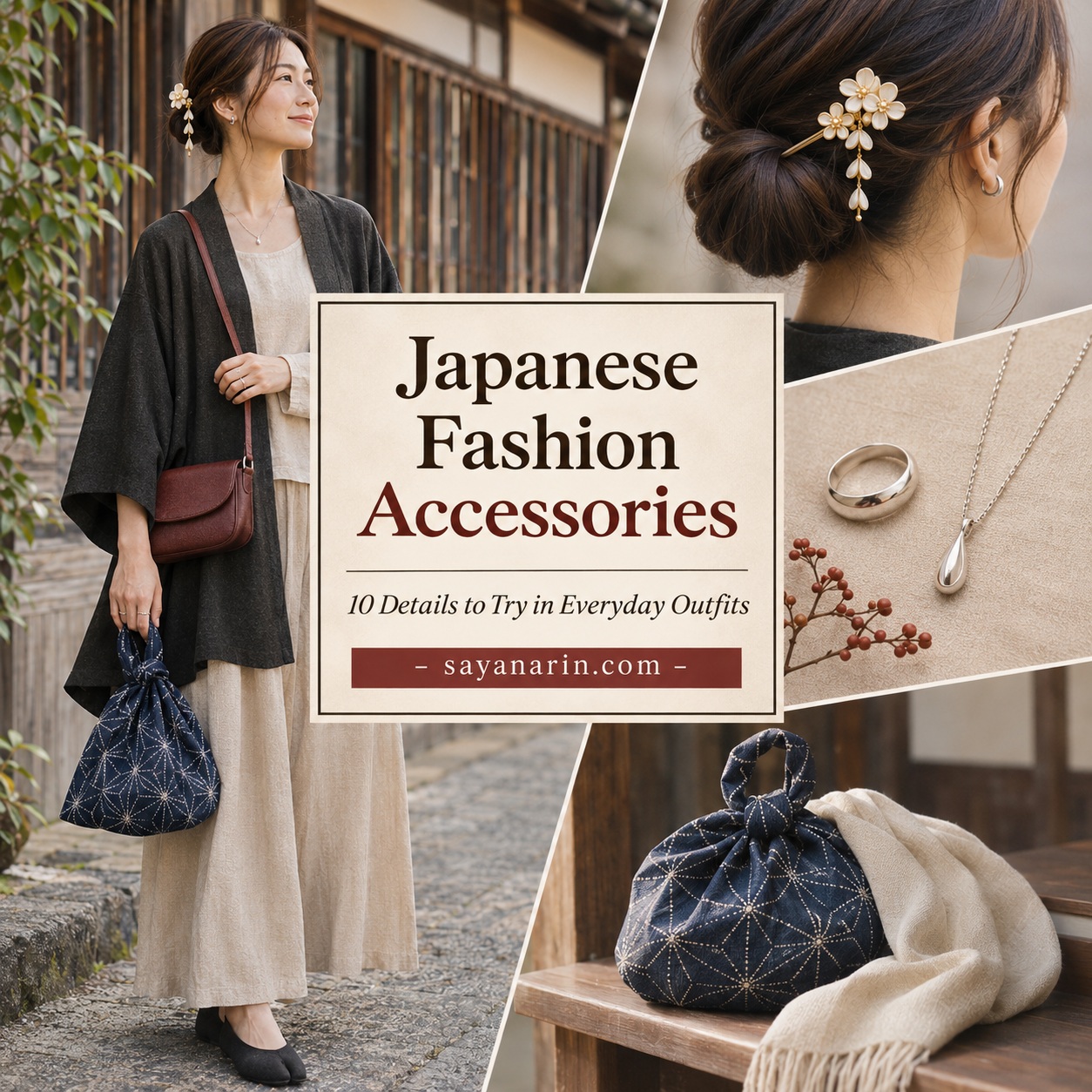
Japanese fashion accessories offer an easy way to bring personality, texture, and creativity into everyday outfits. From delicate hair ornaments and fabric bags to distinctive footwear and understated jewelry, these details can transform even the simplest wardrobe essentials into something more expressive.
Whether you love Japanese minimalist fashion, colorful Harajuku outfits, or relaxed Tokyo street style, accessories allow you to experiment without completely changing your wardrobe.

The key is finding pieces that complement your personal style while balancing practicality with visual interest.
What Makes Japanese Fashion Accessories Unique?
Japanese fashion accessories encompass traditional craftsmanship, contemporary streetwear, playful styling, and functional design. Popular examples include kanzashi hairpins, furoshiki bags, tabi footwear, fabric belts, minimalist jewelry, and decorative bag charms.
Japanese fashion is not limited to one aesthetic. Some outfits emphasize simplicity and natural materials, while others celebrate bold colors, unexpected proportions, and creative layering.
Traditional accessories such as kanzashi, tabi, and tenugui can also inspire contemporary styling.
You can incorporate these influences into modern wardrobes through thoughtful details, comfortable materials, and accessories that work with clothing you already own.
10 Japanese Fashion Accessories to Try in Everyday Outfits
1. Kanzashi Hairpins for Elegant Hairstyles
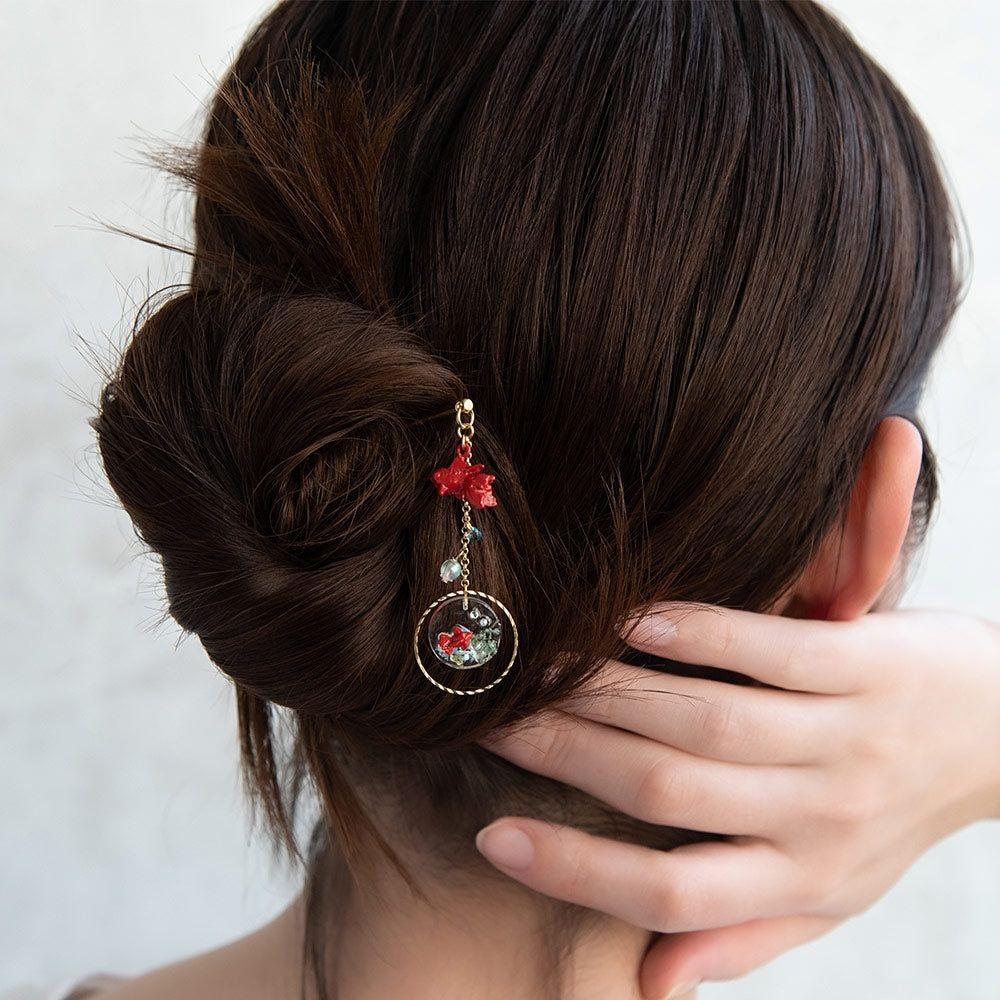
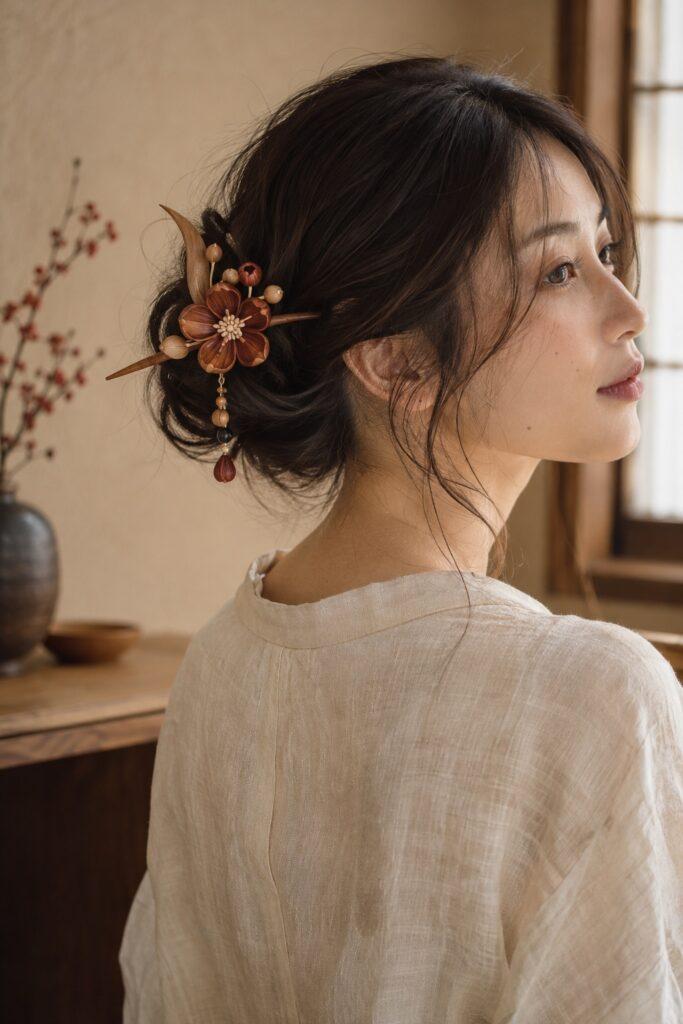
Kanzashi are traditional Japanese hair ornaments that range from simple decorative sticks to intricate floral designs. Modern interpretations can work beautifully with everyday hairstyles.
A wooden hairpin adds natural texture to a loose bun, while a delicate metal ornament creates a more polished appearance. Floral accessories can introduce a romantic touch without requiring elaborate styling.
Try pairing kanzashi-inspired accessories with linen dresses, relaxed blouses, oversized shirts, or neutral knitwear.
Styling ideas:
- Wooden hairpin with a low bun and linen shirt.
- Pearl hair ornament with a midi dress.
- Minimalist metal hairpin with a monochrome outfit.
- Floral hair clip with a soft cardigan.
Choose an accessory designed for your hair length and thickness. A decorative clip may be more practical than a traditional hair stick for shorter hairstyles.
2. Furoshiki Bags for Relaxed Everyday Style
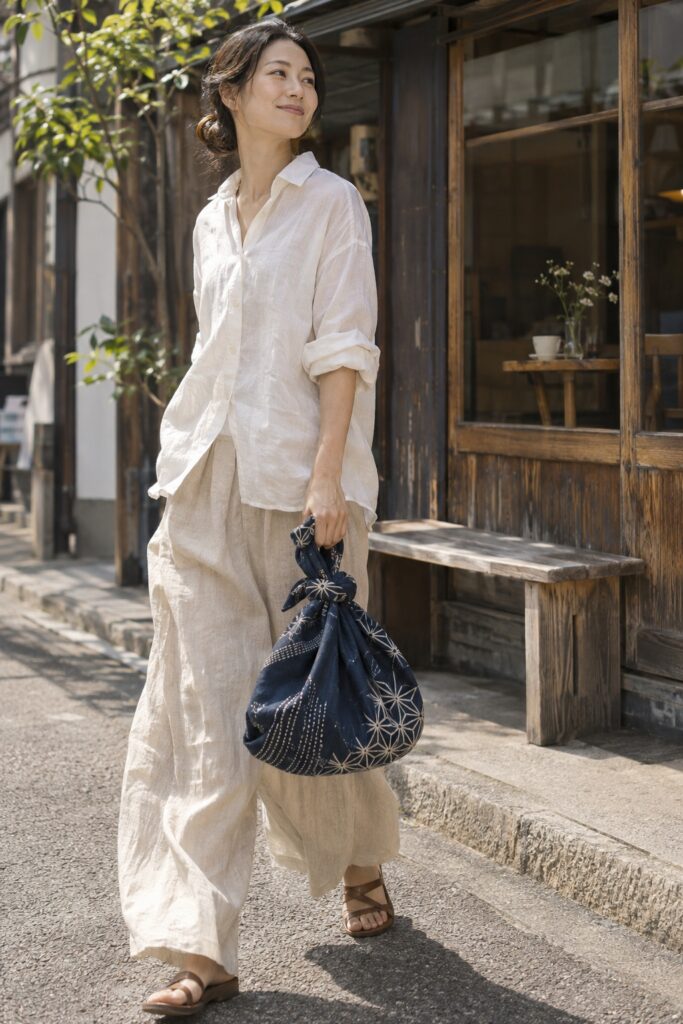
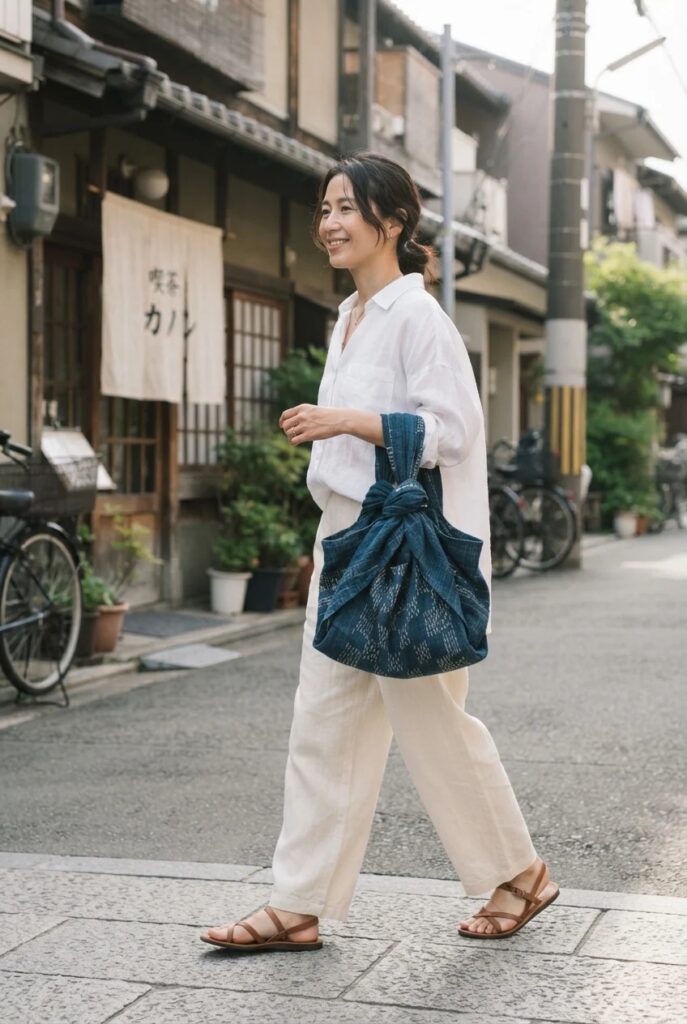
A furoshiki is a traditional Japanese wrapping cloth that can be folded and tied to create a reusable fabric bag.
Its soft construction makes it an interesting alternative to structured handbags. Depending on the fabric and folding technique, a furoshiki bag can have a relaxed appearance or a more sculptural shape.
Natural cotton, geometric patterns, muted floral prints, and indigo-colored fabrics work especially well with casual Japanese-inspired outfits.
Wear a patterned furoshiki bag with solid-colored clothing to make the fabric the focal point. Alternatively, choose a plain fabric bag to complement an outfit with more complex layers.
These bags are particularly suitable for lightweight everyday essentials, casual outings, and summer wardrobes.
Best outfit combination: Wide-leg linen pants, a white cotton shirt, flat sandals, and an indigo furoshiki bag.
3. Tabi Shoes for a Distinctive Silhouette
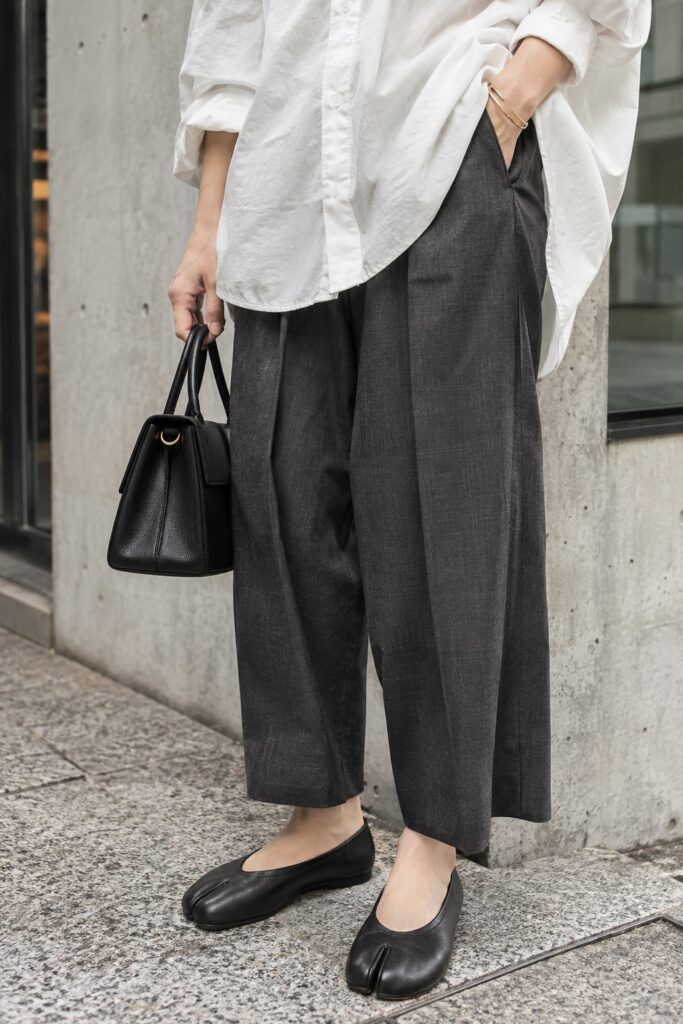
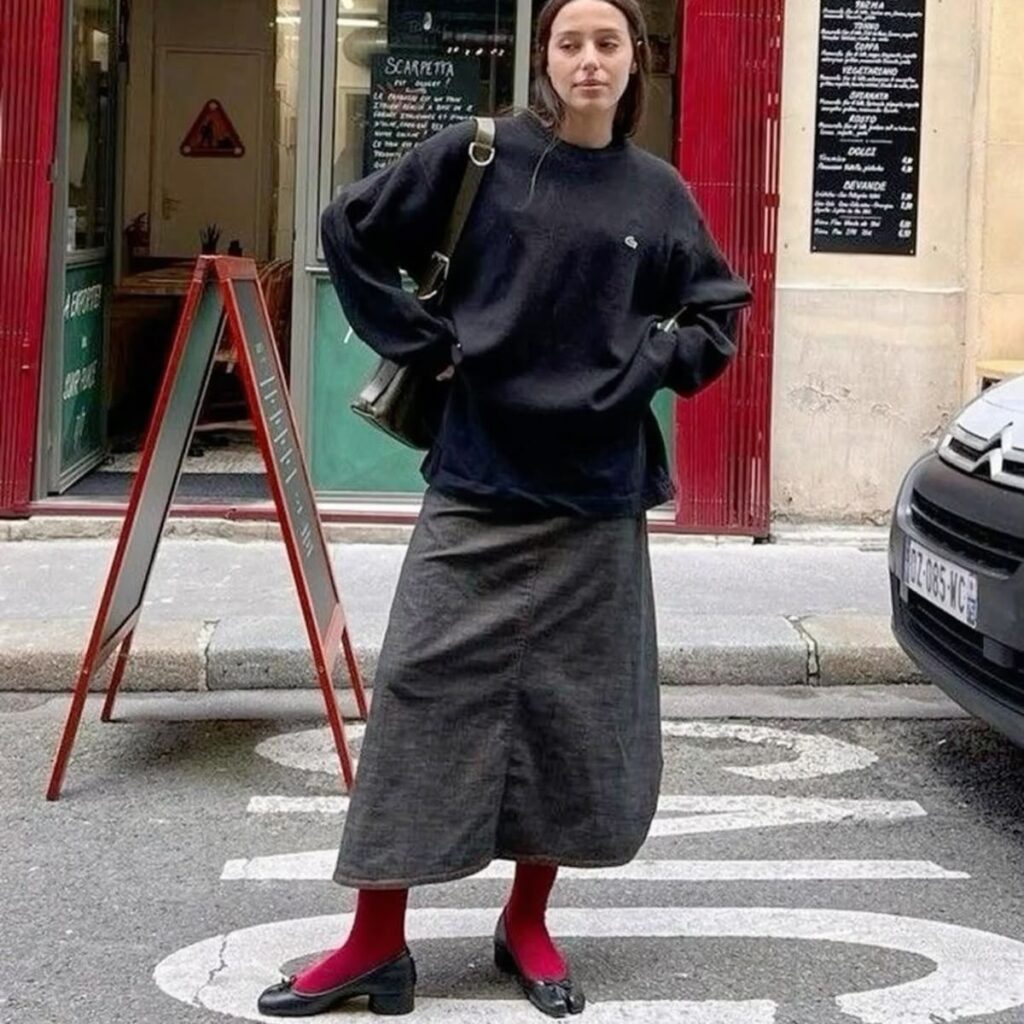
Tabi-inspired footwear is recognizable by its split-toe construction, drawing inspiration from traditional Japanese tabi socks.
Contemporary versions include ballet flats, ankle boots, sneakers, and other casual footwear designs. The unusual shape adds an architectural element to otherwise simple outfits.
Black tabi flats can complement tailored trousers and minimalist dresses, while casual split-toe sneakers work with denim and oversized streetwear.
For a softer appearance, try cream or beige flats with light-colored clothing. Darker designs create stronger contrast and suit monochrome wardrobes.
If you are new to this footwear style, prioritize fit and comfort. Split-toe shoes can feel different from conventional footwear, and compatible socks may be necessary.
Best outfit combination: Cropped black trousers, an oversized white shirt, a compact shoulder bag, and black tabi flats.
4. Obi-Inspired Belts for Defined Silhouettes
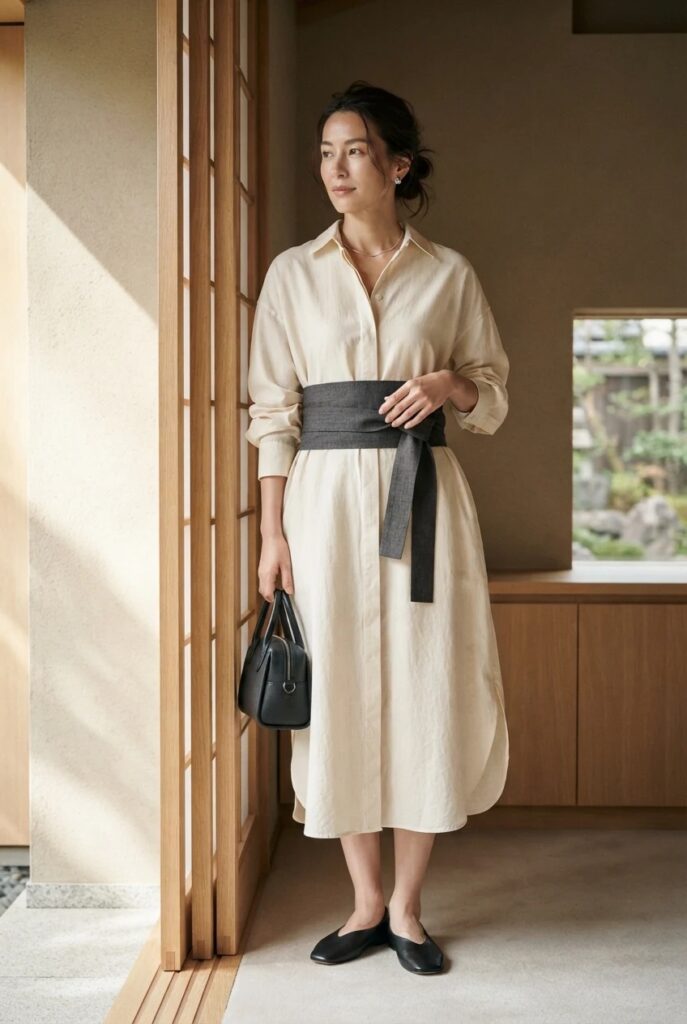
The obi is a traditional sash associated with Japanese clothing, including kimono. Contemporary obi-inspired belts reinterpret this detail through simplified shapes and modern materials.
Wide fabric belts can introduce structure to oversized dresses, long shirts, and loose-fitting outerwear. They are especially useful when you want to balance relaxed clothing with a defined waist.
Choose cotton or linen for a natural appearance, or experiment with leather and structured fabrics for a contemporary look.
A contrasting belt can become the centerpiece of an outfit, while a matching belt creates a more understated silhouette.
Keep additional accessories simple when wearing a prominent waist sash.
Best outfit combination: An oversized cream shirt dress, a charcoal wrap belt, simple earrings, and flat shoes.
5. Minimalist Jewelry for Subtle Elegance
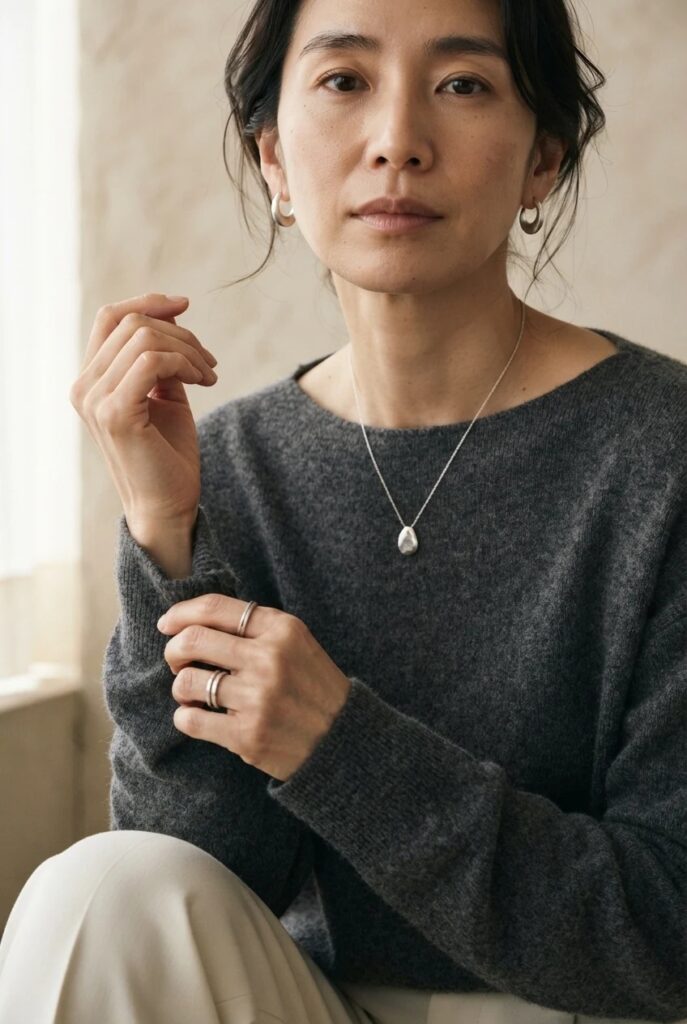
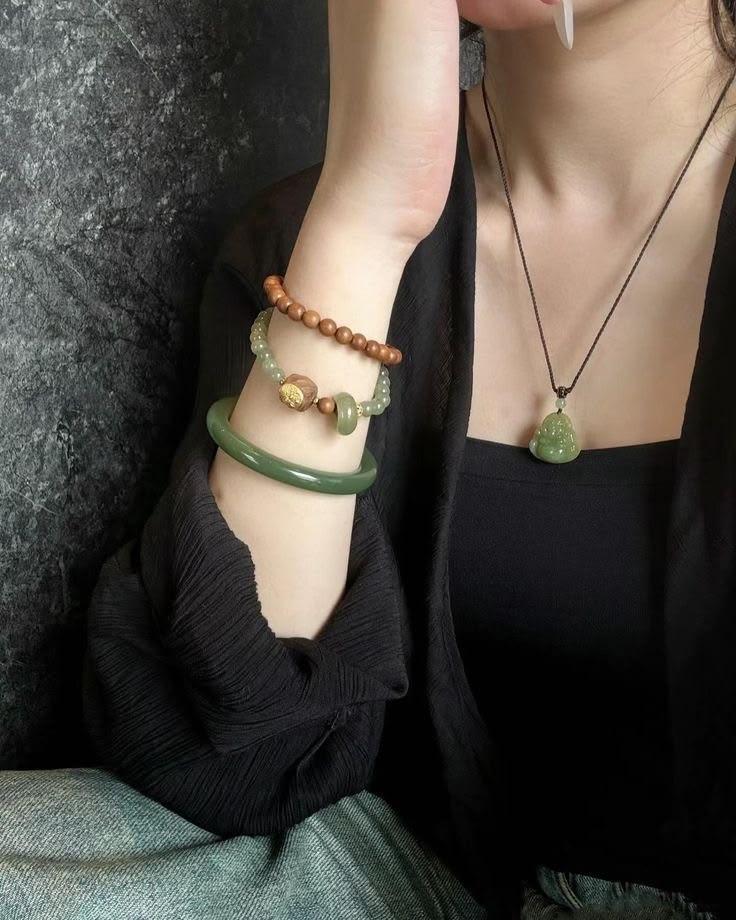
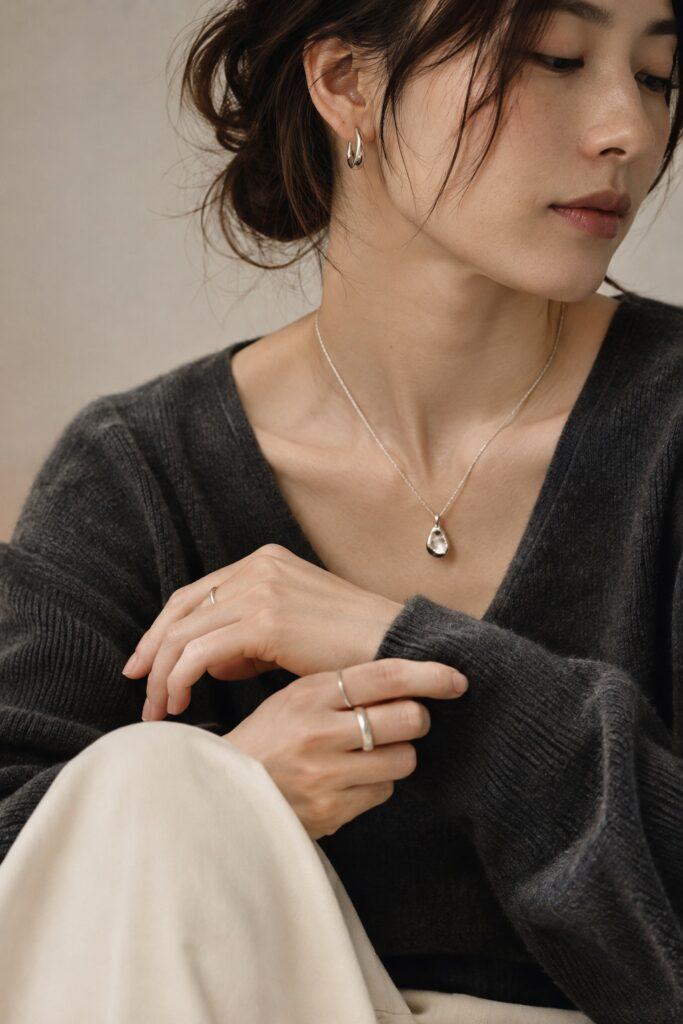
Minimalist jewelry complements the clean shapes and restrained color palettes found in many Japanese-inspired wardrobes.
Rather than layering numerous statement pieces, consider accessories with interesting textures, organic shapes, and carefully balanced proportions.
Small silver hoops, delicate chains, sculptural rings, and understated pearl earrings can add elegance without overwhelming an outfit.
Minimalist jewelry is particularly effective with oversized knitwear, tailored jackets, linen clothing, and monochrome ensembles.
Mixing matte and polished metal finishes can create subtle contrast. You can also introduce a single irregularly shaped pendant to bring individuality to a simple look.
Best outfit combination: A charcoal sweater, ivory trousers, silver earrings, and a delicate ring.
6. Statement Socks for Playful Layering
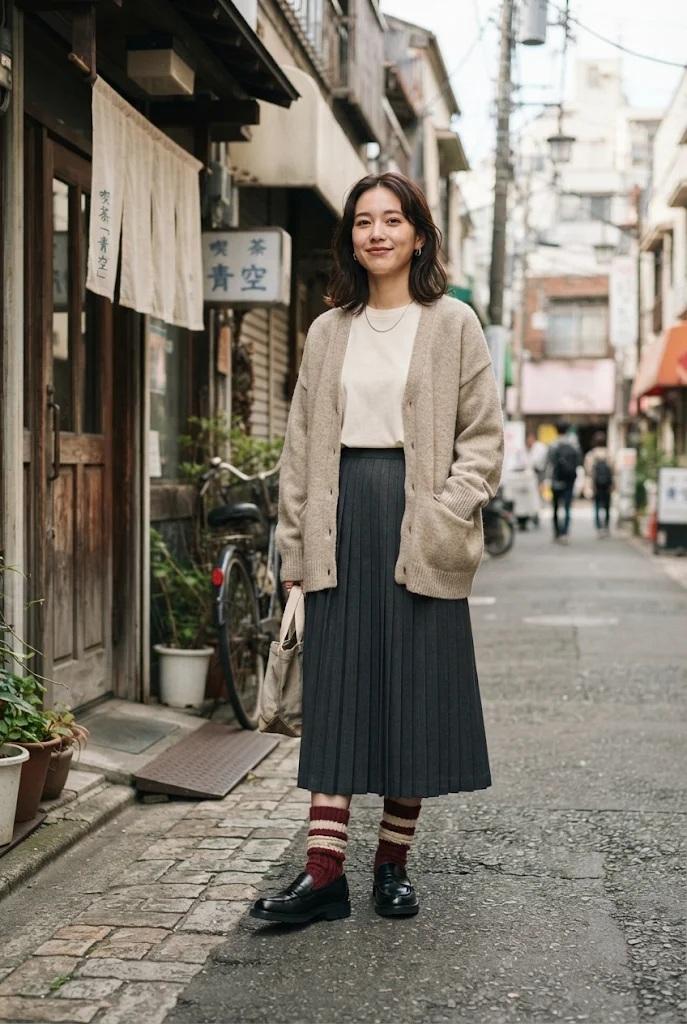
Statement socks are an inexpensive way to experiment with Japanese street fashion and playful layering.
Visible socks can introduce color, pattern, or texture between footwear and clothing. They work especially well with cropped trousers, midi skirts, loafers, sneakers, and ballet flats.
Ribbed cream socks create a soft vintage-inspired appearance, while colorful striped designs bring energy to neutral outfits.
Traditional split-toe tabi socks are another option when wearing compatible footwear.
For an understated look, choose socks in a slightly different shade from your trousers. For a more expressive combination, repeat an accent color from your bag, jacket, or hair accessories.
Best outfit combination: A pleated midi skirt, oversized cardigan, colorful socks, and chunky loafers.
7. Structured Crossbody Bags for Practical Street Style
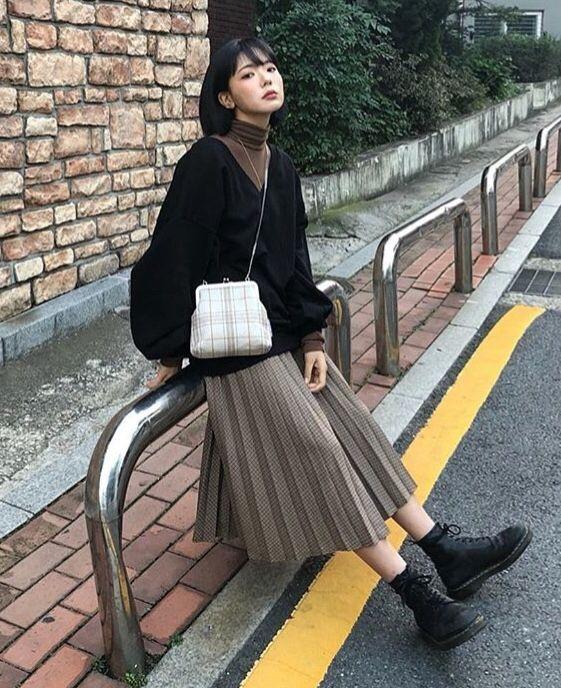
A functional crossbody bag fits naturally into relaxed Japanese streetwear and workwear-inspired outfits.
Compact nylon bags, canvas designs, and structured leather styles provide practical storage without requiring a large handbag.
Adjustable straps allow you to change how the bag sits against oversized shirts, jackets, and layered clothing. Multiple compartments can also make everyday organization easier.
For a versatile wardrobe, consider black, olive green, charcoal, or warm beige. These shades coordinate well with denim, neutral basics, and utility-inspired garments.
Look for a shape that balances your outfit. A compact structured bag can contrast with flowing trousers, while a soft nylon bag complements relaxed streetwear.
Best outfit combination: An oversized utility jacket, straight-leg jeans, comfortable sneakers, and a compact black crossbody bag.
8. Tenugui-Inspired Scarves for Creative Styling
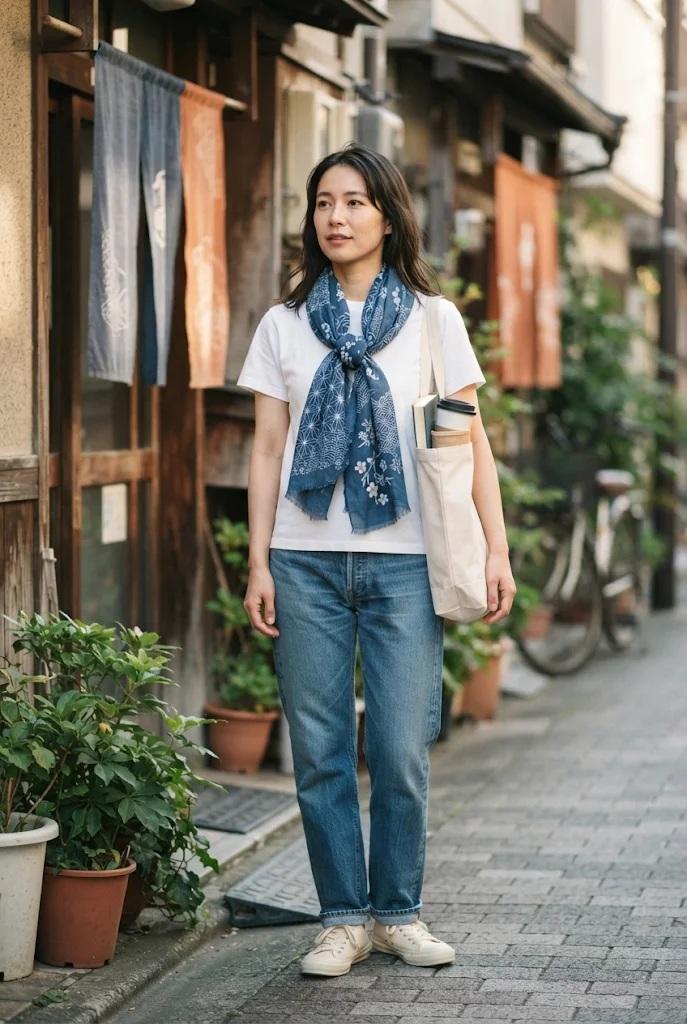
Tenugui is a traditional Japanese cotton cloth with a variety of everyday and cultural uses. Its patterns and lightweight construction can inspire creative fashion accessories.
A tenugui-inspired scarf can be worn around the neck, tied to a handbag, or incorporated into a simple hairstyle.
Indigo patterns, botanical motifs, geometric prints, and subtle contrasting colors work particularly well with modern casual clothing.
These textile accessories are useful when an outfit needs a small amount of color without additional jewelry or heavy layers.
Try tying a lightweight scarf around a canvas bag handle or loosely around your neck. A patterned fabric detail can make an everyday white T-shirt and jeans combination feel more intentional.
Best outfit combination: A white T-shirt, straight-leg denim, canvas sneakers, and an indigo cotton neck scarf.
9. Berets and Bucket Hats for Everyday Character
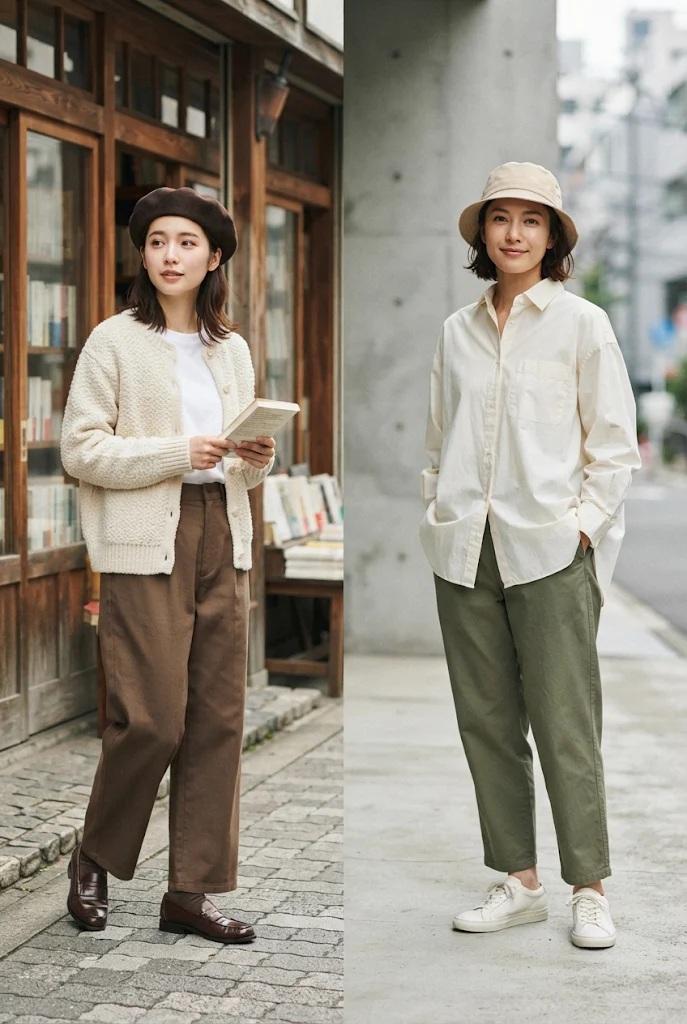
Hats offer a practical way to explore different Japanese-inspired fashion aesthetics.
Berets complement vintage-inspired outfits, soft knitwear, pleated skirts, and tailored coats. Bucket hats create a more relaxed appearance and pair well with oversized shirts, cargo trousers, and sneakers.
Although these hats are not uniquely Japanese, they can be used to recreate combinations associated with contemporary Japanese street-style inspiration.
A neutral hat works across multiple seasons, while a colorful design can become the primary accent in a simple outfit.
Consider the proportions of your clothing when selecting a hat. A compact beret can balance a voluminous coat, while a casual bucket hat complements loose summer layers.
Best outfit combination: A cream cardigan, brown wide-leg trousers, leather loafers, and a dark wool beret.
10. Playful Bag Charms for Harajuku-Inspired Details
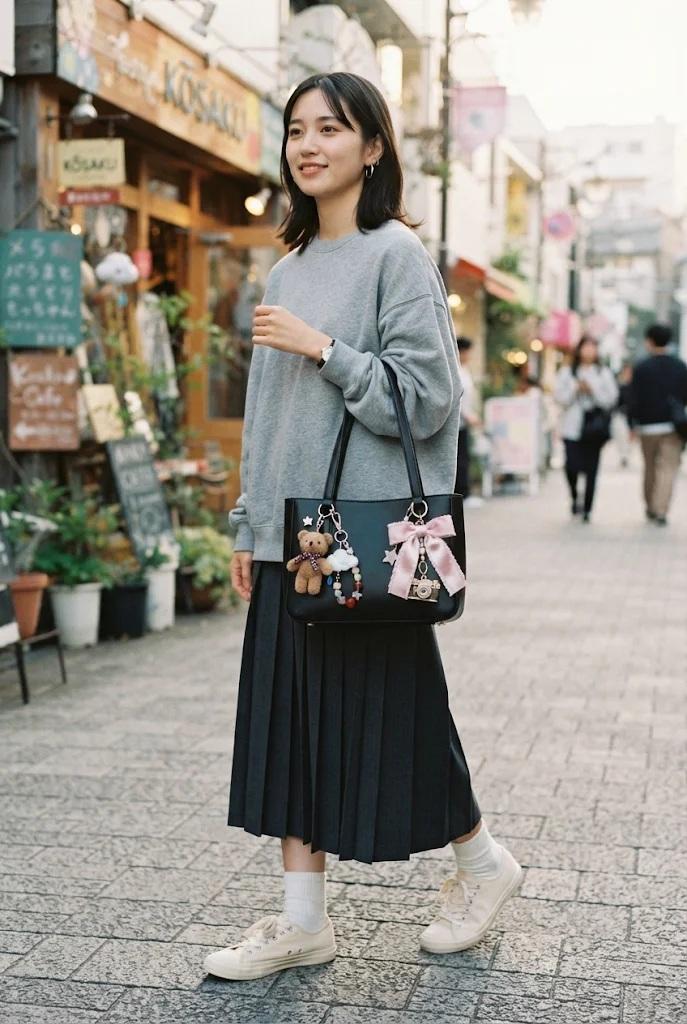
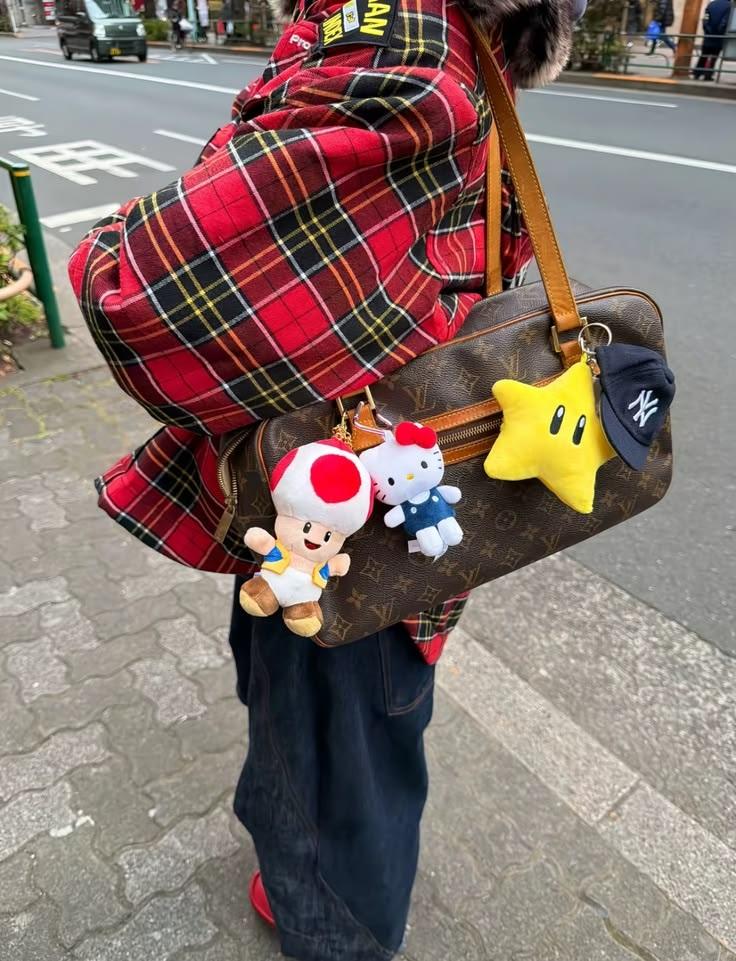
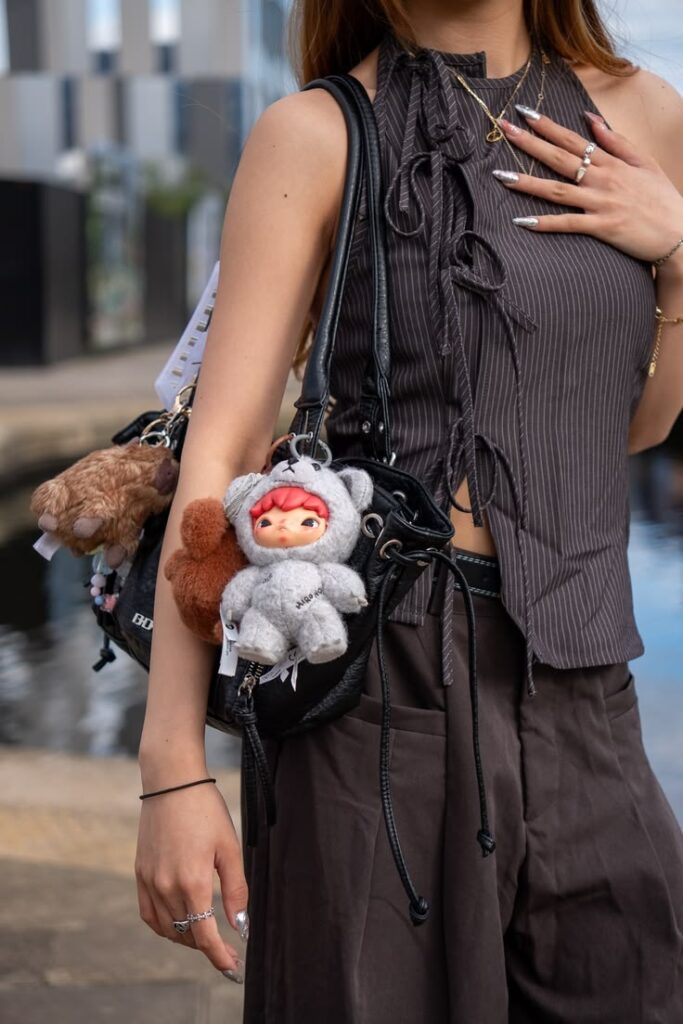
Bag charms are a fun way to introduce playful personality into an otherwise understated outfit.
Small plush figures, colorful keychains, decorative ribbons, miniature accessories, and beaded straps can bring a touch of Harajuku-inspired creativity to everyday fashion.
You do not need to build an entirely colorful wardrobe to experiment with this aesthetic. A single unusual charm can provide enough contrast against a black shoulder bag or neutral canvas tote.
For a more expressive appearance, combine several small accessories in a coordinated color palette.
The goal is to create a personal combination rather than simply adding as many decorative pieces as possible.
Best outfit combination: An oversized sweatshirt, a pleated skirt, comfortable sneakers, and a handbag decorated with colorful charms.
How to Style Japanese Accessories with Everyday Clothing
The easiest way to incorporate Japanese fashion accessories into your wardrobe is to choose one distinctive piece and build your outfit around it.
Start with familiar clothing such as straight-leg jeans, wide-leg trousers, cotton shirts, neutral dresses, or relaxed knitwear. Then introduce an accessory that adds texture, color, or an interesting silhouette.
Different Japanese-inspired aesthetics call for different combinations.
| Fashion aesthetic | Recommended accessories | Color palette |
|---|---|---|
| Japanese minimalist | Silver jewelry, tabi flats, structured bags | Black, white, beige |
| Tokyo street style | Crossbody bags, statement socks, bucket hats | Gray, olive, navy |
| Harajuku-inspired | Bag charms, colorful clips, patterned socks | Pink, red, pastel blue |
| Japanese vintage | Berets, pearl earrings, fabric scarves | Brown, cream, burgundy |
| Natural fashion | Furoshiki bags, wooden hairpins, fabric belts | Ivory, sage, indigo |
| Japanese workwear | Utility bags, practical hats, durable accessories | Khaki, charcoal, navy |
You can also adjust your accessories according to the season.
Lightweight fabric bags, scarves, and hair clips suit spring and summer outfits. During fall and winter, wool hats, darker jewelry, leather bags, and textured socks can complement heavier clothing.
Avoid feeling limited to a single aesthetic. A minimalist outfit with one playful bag charm can be just as interesting as a carefully coordinated streetwear look.
Final Thoughts
Japanese fashion accessories provide endless opportunities to experiment with everyday style. Whether you prefer the simplicity of minimalist jewelry, the practicality of fabric bags, or the creativity of colorful hair ornaments, thoughtful accessories can bring new character to familiar outfits.
Begin with one or two details that complement your existing wardrobe. Explore different materials, colors, and silhouettes to discover combinations that feel comfortable and personal.
The most successful Japanese-inspired outfits are not about copying a single aesthetic. They are about combining individuality, functionality, and creativity in a way that works for your everyday life.
Frequently Asked Questions
What are popular Japanese fashion accessories?
Examples include kanzashi hairpins, furoshiki bags, tabi-inspired shoes, obi-style belts, minimalist jewelry, statement socks, crossbody bags, scarves, hats, and decorative bag charms. Different accessories suit different traditional and contemporary fashion aesthetics.
What are traditional Japanese hair accessories called?
Traditional Japanese hair ornaments are called kanzashi. They include various decorative hairpins, sticks, comb-like ornaments, and floral designs. Contemporary interpretations can be incorporated into casual hairstyles.
How can I accessorize a Japanese minimalist outfit?
Choose simple pieces such as delicate silver jewelry, a structured handbag, neutral footwear, and an understated hair accessory. Focus on balanced proportions, interesting materials, and a restrained color palette.
What accessories work with Japanese street fashion?
Crossbody bags, visible socks, bucket hats, statement footwear, colorful hair clips, and bag charms work well with Japanese street-fashion-inspired outfits. These pieces complement oversized silhouettes and creative layering.
Can you wear tabi shoes with regular outfits?
Yes. Contemporary tabi shoes can be styled with jeans, tailored trousers, midi skirts, casual dresses, and oversized shirts. Select clothing that allows the distinctive footwear shape to remain visible, and use suitable socks when necessary.
What is a Japanese furoshiki bag?
A furoshiki bag is created using a square fabric wrapping cloth that is folded and tied into a carrying shape. Different fabrics and tying methods produce different bag styles.
Are Japanese fashion accessories suitable for work outfits?
Yes. Understated jewelry, structured bags, subtle hair accessories, and simple fabric scarves can complement professional clothing. Choose designs that are practical and appropriate for your workplace dress code.
How do I create a Japanese-inspired outfit without buying new clothes?
Start with neutral wardrobe basics and experiment with proportions, visible socks, simple scarves, understated jewelry, and creative layering. Small styling changes can introduce Japanese fashion influences without requiring a completely new wardrobe.