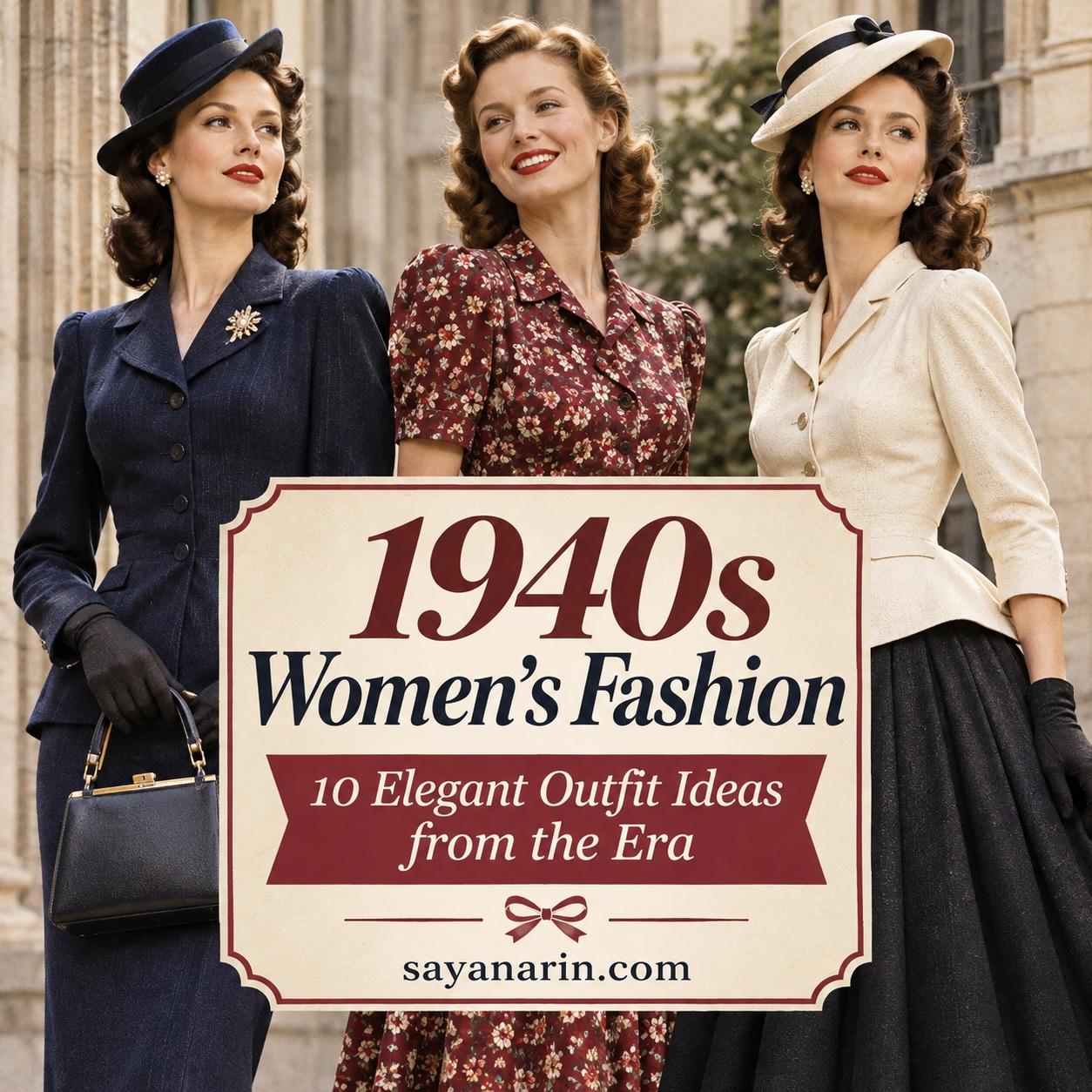
What defined 1940s women’s fashion?
1940s women’s fashion was a beautiful combination of practicality, timeless elegance, and feminine sophistication. From tailored wartime suits and charming shirtwaist dresses to glamorous evening gowns, the decade introduced memorable styles that continue to inspire vintage fashion lovers today.
The 1940s were a period of dramatic change. During World War II, clothing became simpler and more functional as fabric shortages encouraged women to make the most of their wardrobes. Structured shoulders, defined waists, sensible skirts, and versatile separates became essential elements of everyday dressing.
After the war, fashion gradually shifted toward softer, more luxurious silhouettes. Christian Dior’s famous New Look, introduced in 1947, helped popularize fuller skirts and beautifully defined waists.

Whether you love authentic vintage clothing or want to add a retro touch to your modern wardrobe, these ten elegant 1940s outfit ideas offer plenty of inspiration.
What Defined Women’s Fashion in the 1940s?
Women’s fashion during the 1940s balanced practicality with polished style. Common features included structured jackets, modest necklines, defined waists, knee-length or slightly longer skirts, and carefully chosen accessories.
The decade featured two important fashion directions:
- Early and wartime 1940s: Tailored clothing, squared shoulders, simple dresses, practical trousers, and economical use of fabric.
- Late 1940s: Softer shoulders, fitted bodices, longer hemlines, and fuller skirts influenced by postwar couture.
Everyday fashion also differed according to location, income, occupation, and available materials. Not every woman followed high-fashion trends, and practical wartime styles continued to be worn after 1945.
These differences make the decade especially interesting for anyone exploring vintage outfits.
1. The Classic 1940s Shirtwaist Dress
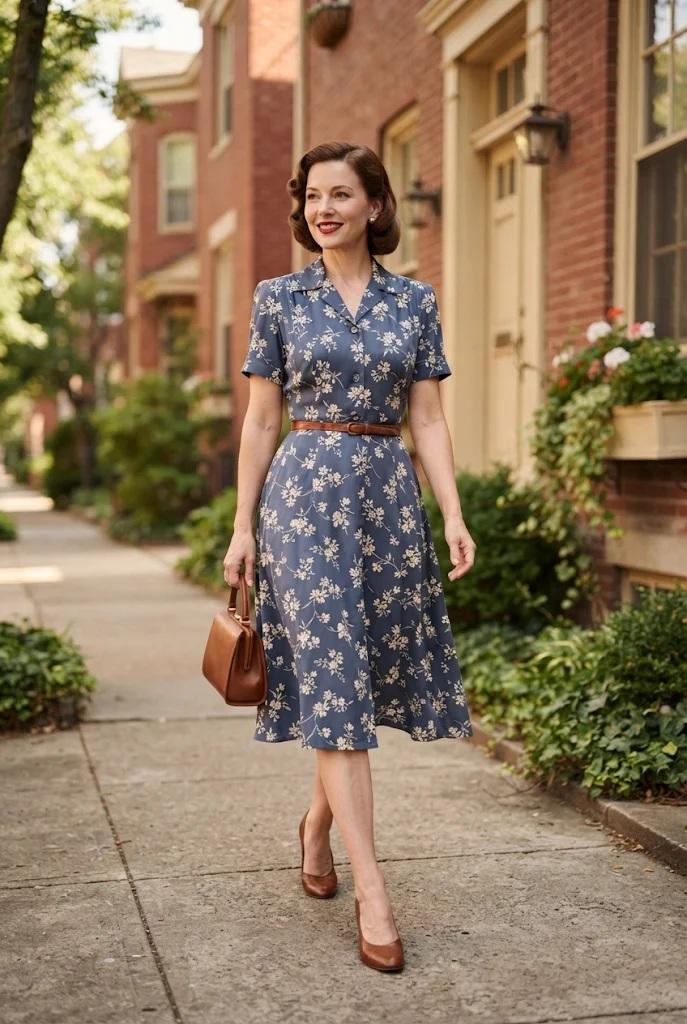
The shirtwaist dress was one of the most recognizable examples of 1940s women’s fashion. Combining the structure of a button-down shirt with the femininity of a dress, it was practical enough for everyday activities while remaining effortlessly stylish.
Typical designs featured a pointed collar, short or elbow-length sleeves, buttons down the bodice, and a fitted waist.
Many dresses included modest prints such as florals, polka dots, or small geometric patterns. Solid shades of navy, green, burgundy, and brown were also versatile choices.
How to style this look:
Choose a midi-length shirtwaist dress with a softly defined waist. Pair it with low-heeled pumps, a structured handbag, and a simple belt.
For an authentic vintage-inspired finish, add softly rolled hair and a classic red lip.
This outfit works beautifully for casual outings, afternoon gatherings, or anyone who appreciates feminine vintage dresses without excessive decoration.
2. The Elegant Wartime Utility Suit
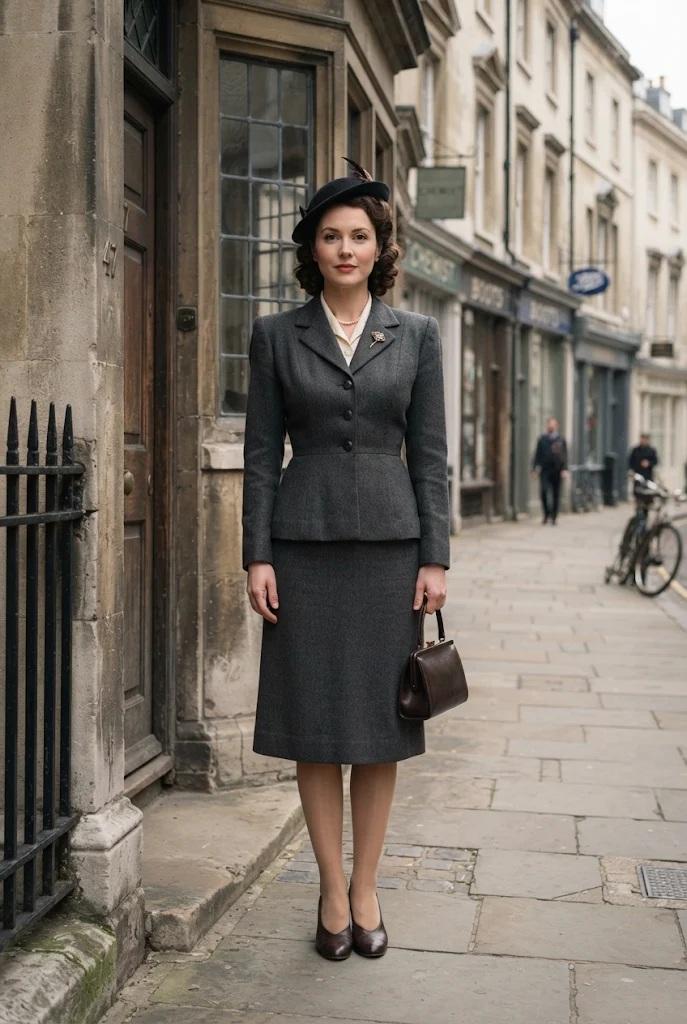
A tailored skirt suit captures the sophisticated but practical spirit of wartime fashion.
Women’s suits frequently featured structured shoulders, fitted jackets, and straight skirts. The design reflected both contemporary military influences and the need for versatile clothing.
In Britain, clothing rationing and the Utility clothing program encouraged standardized, durable garments with restrictions on unnecessary fabric use.
A well-made suit could be worn for work, travel, or formal daytime occasions simply by changing accessories.
How to style this look:
Start with a fitted blazer in charcoal, navy, or olive. Add a coordinating straight skirt and a cream blouse.
Complete the outfit with leather pumps, a compact handbag, and a small hat.
A vintage brooch or neatly tied scarf can introduce personality without overwhelming the clean silhouette.
For modern wardrobes, a tailored blazer and high-waisted skirt create a similar look without requiring original vintage garments.
3. High-Waisted Trousers with a Feminine Blouse
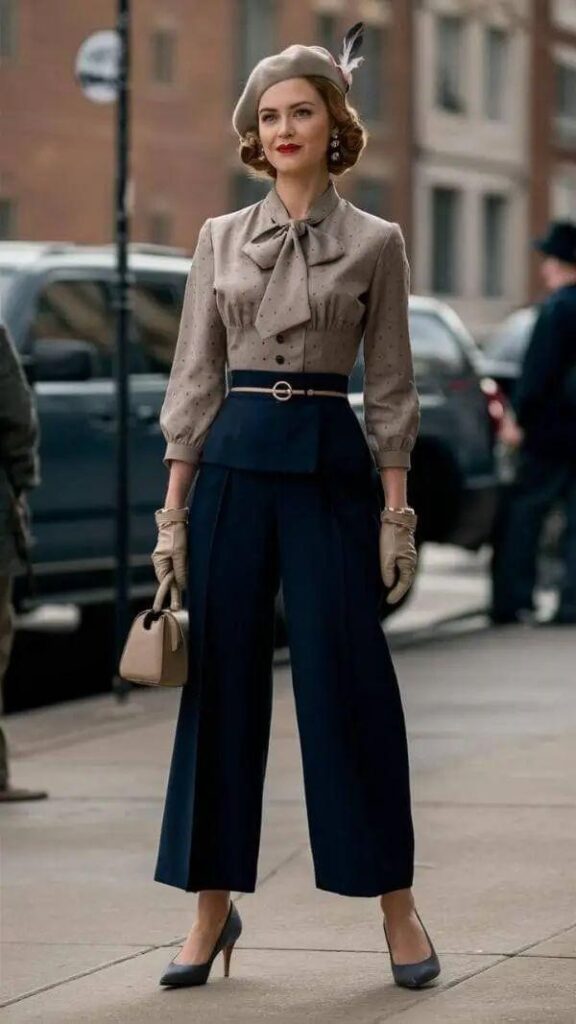
Although dresses and skirts remained common, trousers became an increasingly visible part of women’s practical clothing during the 1940s.
Women working in factories, participating in outdoor activities, or enjoying casual leisurewear often favored comfortable trousers.
High-waisted designs with relatively wide legs created an elegant silhouette that remains fashionable today.
Hollywood figures also helped popularize trouser outfits as an alternative to traditional feminine clothing.
How to style this look:
Pair high-waisted, wide-leg trousers with a tucked-in blouse featuring a modest collar or gentle gathers.
Choose neutral shades such as cream, brown, navy, or gray for a classic combination.
Finish with loafers or low-heeled shoes and a narrow leather belt.
A curled hairstyle or printed headscarf adds a recognizable vintage touch.
This outfit is particularly useful for anyone who loves 1940s-inspired fashion but prefers trousers over dresses.
4. The Charming 1940s Floral Day Dress
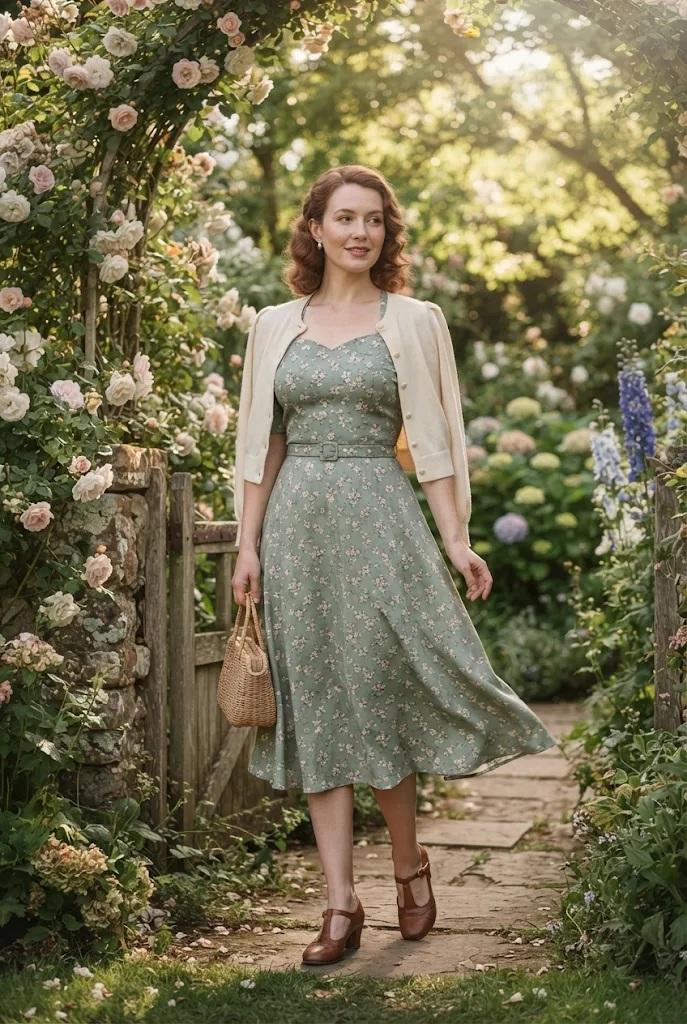
Floral day dresses brought softness and personality to everyday wardrobes.
While wartime clothing often emphasized practicality, printed fabrics allowed women to express individuality through color and pattern.
Small floral prints looked particularly attractive on dresses featuring fitted waists, modest necklines, and gently shaped skirts.
These designs could be worn for shopping, visiting friends, or spending a relaxed afternoon outdoors.
How to style this look:
Look for a dress with a delicate floral print and a waist-defining silhouette.
Pair it with comfortable Mary Jane shoes or modest pumps. A small handbag and simple earrings complete the look.
For cooler weather, add a cropped cardigan that ends near the natural waist.
Keep accessories understated so the dress remains the main feature.
If you want a romantic vintage outfit that feels suitable for modern everyday wear, this is one of the easiest 1940s styles to recreate.
5. The Sophisticated Pencil Skirt and Knit Sweater
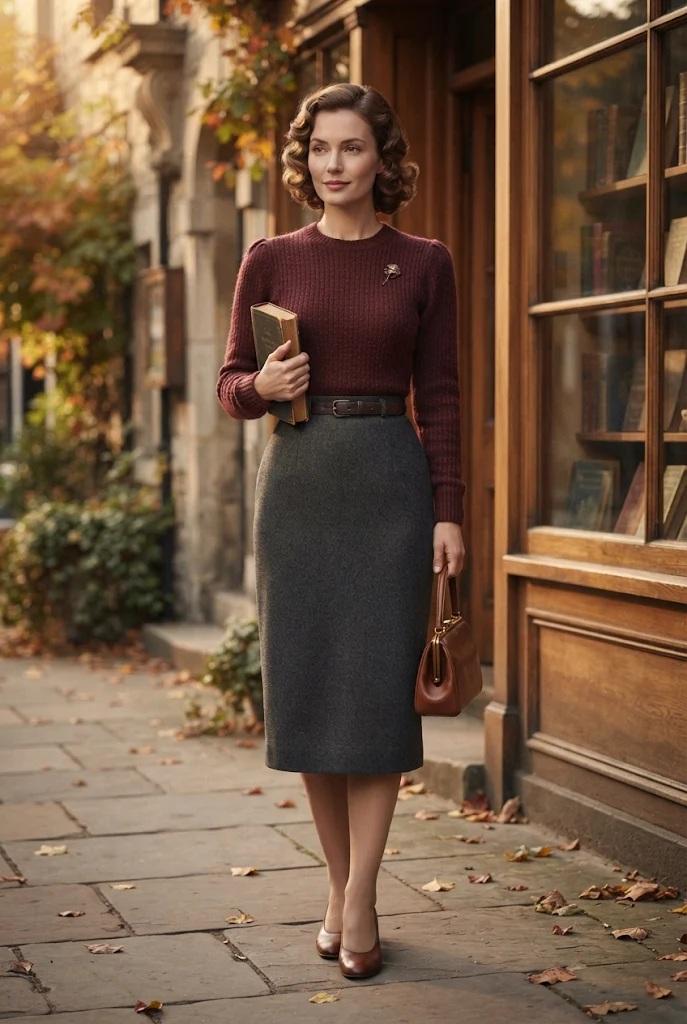
Not every elegant 1940s outfit required elaborate tailoring or a special occasion.
A neat skirt and a practical knitted sweater could create a stylish everyday ensemble.
Knitwear was an important part of many wardrobes, especially when women needed comfortable clothing that could be worn repeatedly and combined with different pieces.
A fitted sweater emphasized the waist, while a straight or gently tapered skirt created a balanced silhouette.
How to style this look:
Choose a high-waisted straight skirt in wool or another structured fabric.
Add a fitted knit sweater in cream, dusty blue, burgundy, or forest green.
Tuck the sweater into the waistband to define the figure.
Finish with sensible leather shoes and a small shoulder or top-handle bag.
For a more polished appearance, add a narrow belt and neatly styled curls.
This combination is particularly attractive for autumn outfits, vintage office fashion, or understated everyday elegance.
6. The Iconic Rosie the Riveter-Inspired Outfit
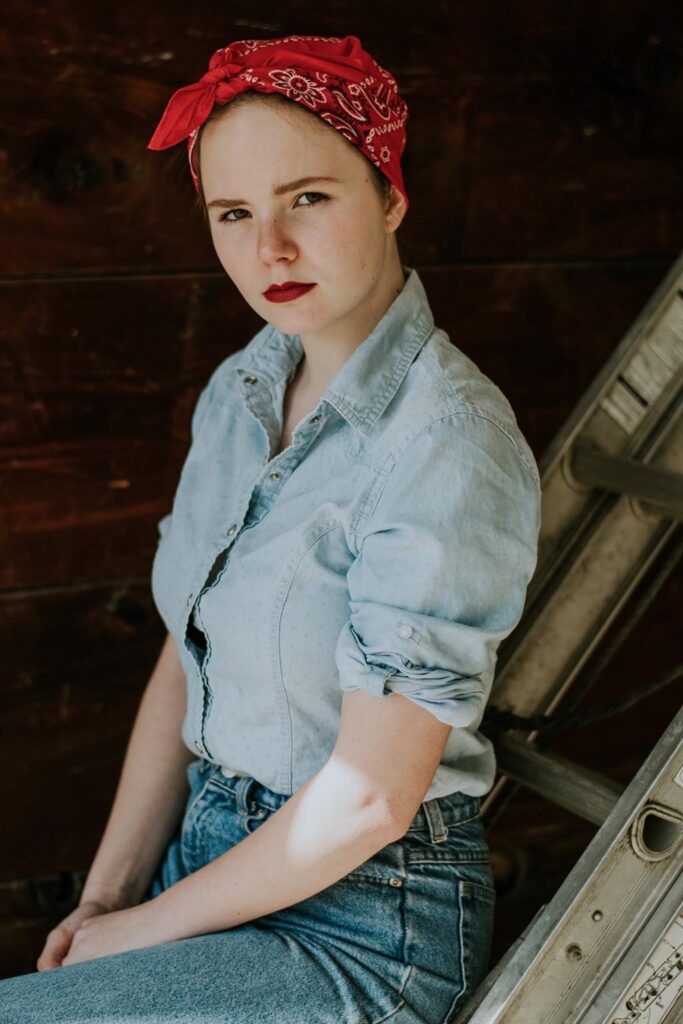
One of the most recognizable images associated with women’s wartime work is Rosie the Riveter.
The image symbolizes women contributing to industrial production and challenging traditional expectations surrounding work.
Practical clothing was essential in factories and workshops. Women often wore work trousers, overalls, shirts, and head coverings suited to their jobs.
Today, this style remains a popular source of inspiration for vintage-themed outfits.
How to style this look:
Combine high-waisted denim trousers or practical work pants with a simple blue shirt.
Roll the sleeves neatly and add a red patterned headscarf tied securely around the hair.
Choose sturdy, comfortable footwear and keep jewelry minimal.
For everyday modern styling, you can soften the industrial appearance with a fitted shirt and neatly tailored trousers.
Remember that the iconic red headscarf is a recognizable visual reference rather than a uniform worn by every wartime factory worker.
This look celebrates the practical, hardworking side of 1940s women’s clothing.
7. The Glamorous Hollywood Evening Gown
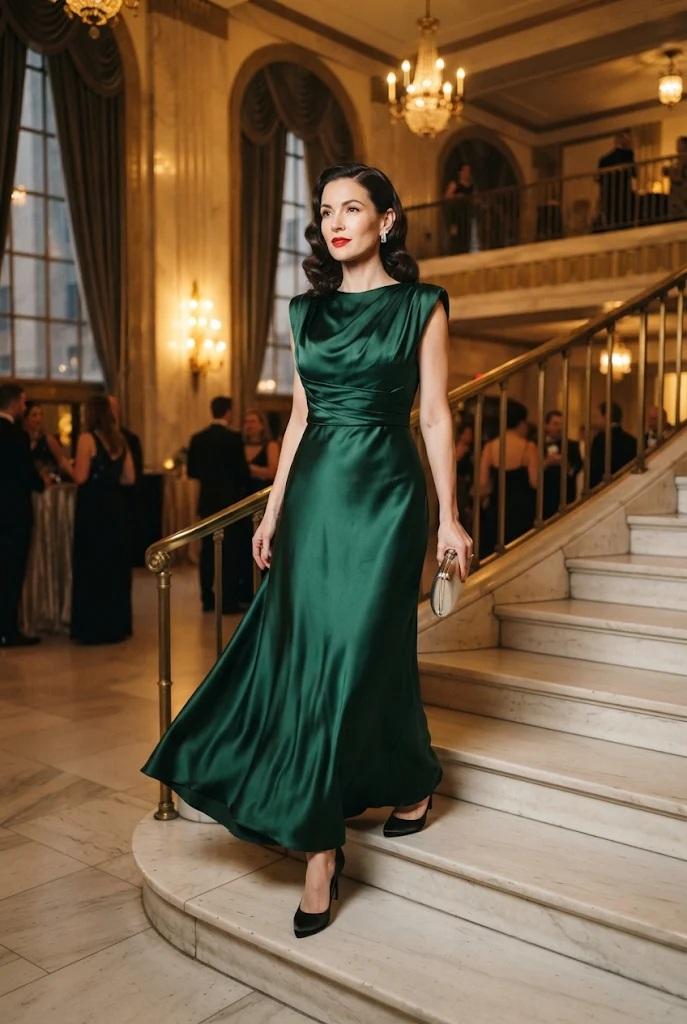
While everyday clothing became increasingly practical, cinema continued to offer an escape into sophisticated glamour.
Hollywood costume design helped shape popular ideas of elegance through beautifully tailored gowns, carefully arranged hairstyles, and memorable accessories.
Evening dresses could feature draped fabrics, graceful necklines, fitted bodices, and elegant floor-length silhouettes.
These luxurious designs were not representative of every woman’s wardrobe, particularly during wartime shortages, but they remain an important part of the decade’s fashion history.
How to style this look:
Choose a long evening gown in satin-like fabric, velvet, or another material with an elegant drape.
Deep jewel tones, black, and soft champagne shades create a classic vintage appearance.
Add refined earrings, a small evening bag, and understated heels.
Finish with sculpted waves or softly pinned curls.
Avoid excessive embellishment. The goal is to achieve the refined glamour associated with classic Hollywood rather than create a costume.
This style is perfect for formal celebrations, vintage-inspired photoshoots, and elegant evening events.
8. The Practical 1940s Summer Outfit
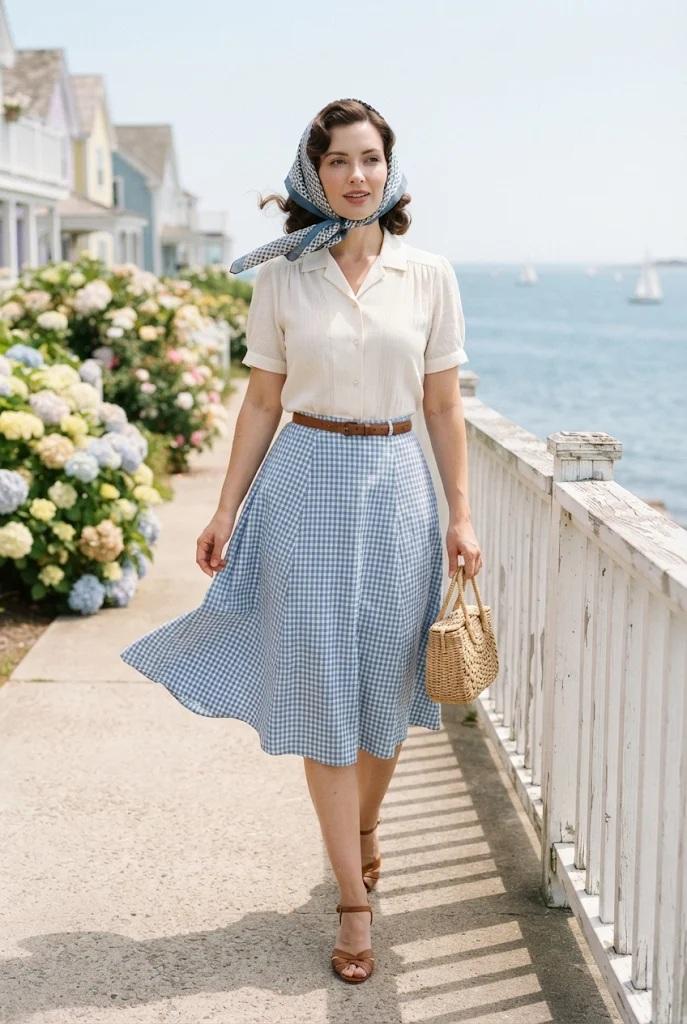
Summer fashion during the 1940s often combined lightweight fabrics with simple, comfortable designs.
Cotton dresses, short-sleeved blouses, skirts, and casual separates offered practical options for warmer weather.
American sportswear also contributed to the growing popularity of relaxed clothing.
Women could choose playful prints or lightweight garments without abandoning the defined waistlines and tidy appearance associated with the period.
How to style this look:
Combine a short-sleeved blouse with a high-waisted skirt in a breathable fabric.
Choose gingham, small floral patterns, or classic stripes for a cheerful vintage appearance.
Add comfortable sandals or low-heeled shoes and a woven handbag.
A scarf tied around the hair completes the look while adding a practical element for sunny days.
Alternatively, select a simple cotton day dress with a narrow belt and modest sleeves.
These summer outfits are ideal for picnics, sightseeing, or incorporating 1940s vintage fashion into a contemporary warm-weather wardrobe.
9. The Polished 1940s Winter Coat Ensemble
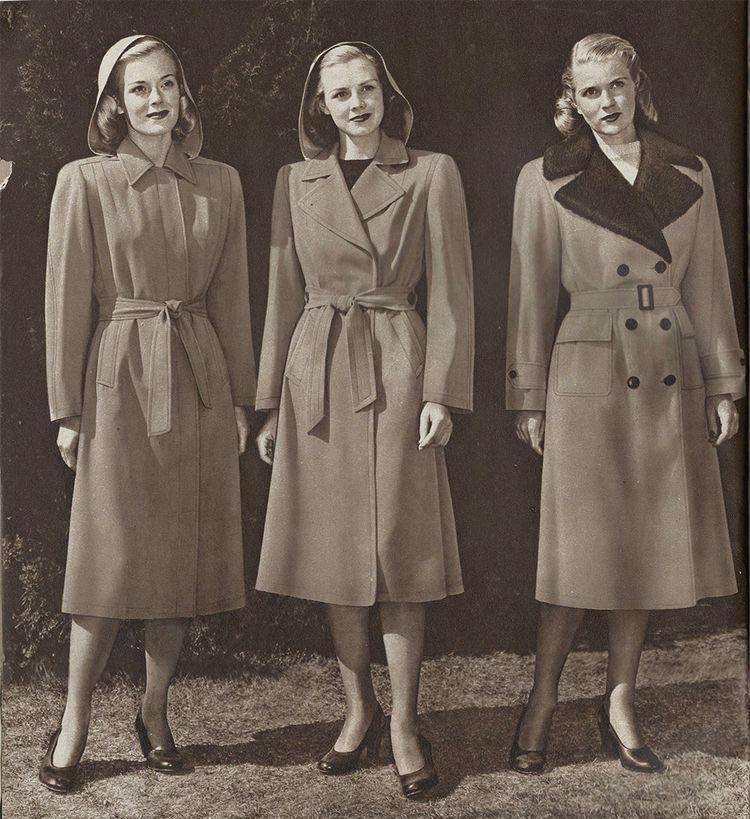
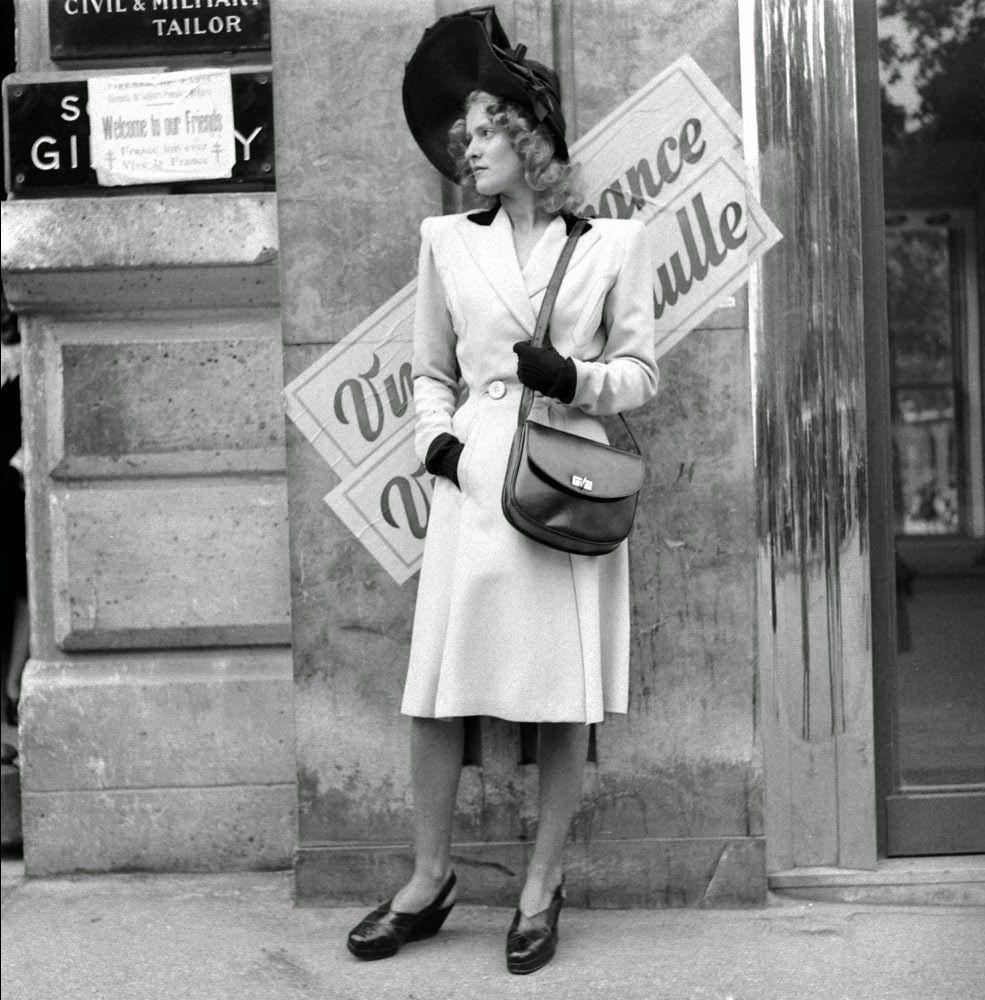
Winter wardrobes in the 1940s required clothing that could provide warmth while maintaining a smart appearance.
Tailored wool coats were a valuable investment, particularly because outerwear needed to last through repeated wear.
Structured shoulders, practical closures, and clean lines helped define the appearance of many period coats.
Accessories such as gloves, scarves, hats, and sturdy shoes completed cold-weather outfits.
How to style this look:
Choose a knee-length or longer wool coat with a structured silhouette.
Classic colors such as camel, charcoal, navy, and dark brown are easy to coordinate.
Wear the coat over a fitted dress or a skirt-and-sweater combination.
Add leather gloves, a small structured handbag, and vintage-inspired ankle boots.
For extra character, choose a modest felt hat or neatly wrapped scarf.
This ensemble demonstrates how classic 1940s winter fashion can translate naturally into a stylish modern wardrobe.
10. The Romantic Late-1940s New Look Outfit
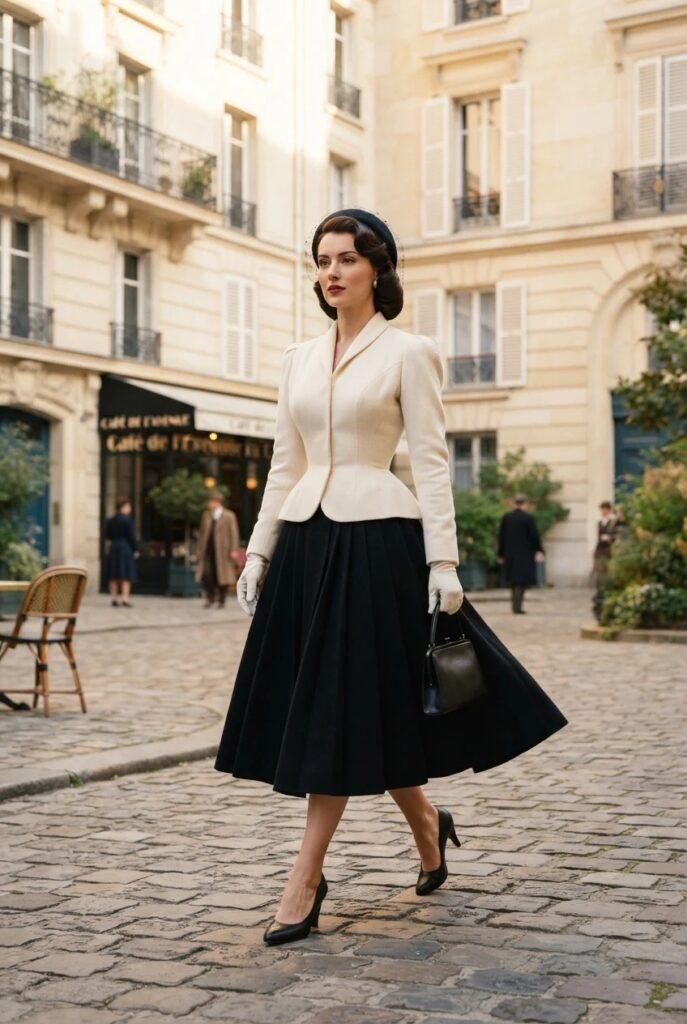
By the late 1940s, fashion was moving away from the restrained silhouettes associated with wartime clothing.
Christian Dior’s 1947 debut collection helped establish the New Look, characterized by a narrow waist, softer shoulders, and generously full skirts.
The silhouette represented a striking contrast to fabric-saving wartime styles.
Although the New Look is often associated with 1950s fashion, its origins belong firmly to the late 1940s.
How to style this look:
Begin with a fitted jacket or blouse that emphasizes the natural waist.
Pair it with a full, below-the-knee skirt that creates a graceful hourglass silhouette.
A narrow belt can enhance the waistline.
Choose elegant pumps, a small structured handbag, and simple gloves for a period-inspired finish.
For modern styling, avoid excessive layers and allow the shape of the skirt to become the focal point.
This romantic outfit is particularly suitable for formal daytime events, vintage celebrations, and anyone who appreciates classic feminine silhouettes.
How to Recreate 1940s Women’s Fashion Today
You do not need an entirely vintage wardrobe to appreciate 1940s style.
The easiest approach is to focus on the shapes, fabrics, and accessories that defined the decade.
Choose Structured, Waist-Defining Silhouettes
A defined waist is one of the strongest visual connections between many 1940s outfits.
Try high-waisted skirts, fitted dresses, tailored jackets, and belted coats.
For earlier wartime inspiration, emphasize structured shoulders and relatively straight skirts. For late-decade elegance, consider softer shoulders and fuller skirts.
Build a Versatile Vintage Color Palette
Many 1940s-inspired outfits work beautifully in navy, cream, burgundy, brown, olive, and charcoal.
These shades are easy to combine and create a classic appearance.
For a softer look, add dusty pink, pale blue, or delicate floral prints.
Add Classic Accessories
Accessories can make an ordinary outfit feel distinctly vintage.
Consider structured handbags, modest pumps, silk scarves, gloves, brooches, and small hats.
Choose one or two statement details instead of wearing every vintage accessory at once.
Experiment with 1940s Hairstyles and Makeup
Victory rolls, soft curls, sculpted waves, and practical headscarves are recognizable 1940s hairstyle references.
Makeup often emphasized a polished complexion and defined lips.
For a wearable modern interpretation, try softly curled hair and a classic red lipstick.
Mix Vintage Pieces with Modern Basics
A genuine vintage blouse can look beautiful with modern wide-leg trousers.
Likewise, a contemporary fitted cardigan can complement a period-inspired skirt.
Combining old and new pieces helps create outfits that feel elegant and practical rather than theatrical.
Early 1940s vs. Late 1940s Fashion
Understanding the difference between the two halves of the decade makes vintage outfit styling easier.
| Fashion Element | Early and Wartime 1940s | Late 1940s |
|---|---|---|
| Shoulders | Structured, often squared | Increasingly softer and rounded |
| Waist | Defined, practical tailoring | Strongly emphasized |
| Skirts | Generally straighter and shorter | Often longer and fuller |
| Fabrics | Economy and durability emphasized | Greater luxury in high fashion |
| Overall mood | Practical, tailored, restrained | Romantic, feminine, decorative |
These are broad fashion trends rather than strict rules. Different styles overlapped throughout the decade, and many women continued wearing existing garments rather than adopting new silhouettes immediately.
Final Thoughts
1940s women’s fashion offers an inspiring mix of classic tailoring, practical everyday clothing, and timeless glamour.
From structured wartime suits and comfortable high-waisted trousers to romantic late-1940s dresses, the decade provides outfit inspiration for many different tastes.
The secret to recreating these looks is understanding their silhouettes and adapting them thoughtfully.
Whether you prefer a simple floral day dress or a sophisticated New Look ensemble, 1940s style proves that elegance can be both beautiful and practical.
Frequently Asked Questions About 1940s Women’s Fashion
What did women typically wear in the 1940s?
Women commonly wore shirtwaist dresses, tailored skirt suits, blouses, straight skirts, knitwear, and practical outerwear. Trousers were also worn for certain jobs and casual activities. Clothing choices depended on location, occupation, personal circumstances, and the particular year.
What were the main characteristics of 1940s fashion?
Recognizable features included structured shoulders, defined waists, modest necklines, practical tailoring, and coordinated accessories. By the late 1940s, fuller skirts and softer silhouettes became increasingly influential.
What dresses were popular in the 1940s?
Shirtwaist dresses, printed day dresses, tailored dresses, and elegant evening gowns were important styles. In the late 1940s, dresses with fitted bodices and fuller skirts gained prominence through the influence of the New Look.
Did women wear pants in the 1940s?
Yes. Women wore trousers for factory work, farming, outdoor activities, and casual occasions. While dresses and skirts remained common for many social settings, trousers were an increasingly visible part of women’s wardrobes.
What colors were popular in 1940s women’s clothing?
Classic shades included navy, brown, gray, green, burgundy, and black. Floral prints, checks, stripes, and lighter seasonal colors also appeared in everyday fashion.
What shoes did women wear in the 1940s?
Footwear varied by occasion and region. Common options included low or medium heels, lace-up shoes, practical work shoes, pumps, and sandals for warm weather. Comfort, durability, and available materials influenced many purchases.
What is the difference between 1940s and 1950s fashion?
Early 1940s fashion often emphasized square shoulders, straightforward tailoring, and economical silhouettes. The 1950s are more strongly associated with fuller skirts and pronounced hourglass shapes, although those trends began emerging in the late 1940s.
How can I dress in 1940s style without looking like I am wearing a costume?
Focus on one or two period-inspired details. Pair high-waisted trousers with a tucked-in blouse, wear a tailored skirt with a fitted cardigan, or add a structured handbag to a simple dress. Keep the rest of your outfit contemporary.